Earlham Grove rubbish clearance for estate homes: a practical guide for smoother, safer clear-outs
If you are looking into Earlham Grove rubbish clearance for estate homes, you are probably dealing with a real-life mess rather than a neat, tidy theory. Maybe a flat has been emptied after a move, perhaps a communal bin store has overflowed, or maybe an estate property needs a proper clear-out before tenants, buyers, or contractors can get moving. Whatever the reason, rubbish builds up fast in estate settings, and it often takes more planning than people expect.
This guide walks through how estate-home clearance typically works in Earlham Grove, what to watch for, and how to choose a method that is efficient, respectful, and sensible for shared living spaces. We will cover the practical bits too: access issues, bulky waste, recycling, compliance, and the small details that save time on the day. To be fair, those small details are usually the difference between a smooth clearance and a stressful one.
Table of Contents
- Why Earlham Grove rubbish clearance for estate homes Matters
- How Earlham Grove rubbish clearance for estate homes Works
- Key Benefits and Practical Advantages
- Who This Is For and When It Makes Sense
- Step-by-Step Guidance
- Expert Tips for Better Results
- Common Mistakes to Avoid
- Tools, Resources and Recommendations
- Law, Compliance, Standards, or Best Practice
- Options, Methods, or Comparison Table
- Case Study or Real-World Example
- Practical Checklist
- Conclusion
- Frequently Asked Questions
Why Earlham Grove rubbish clearance for estate homes Matters
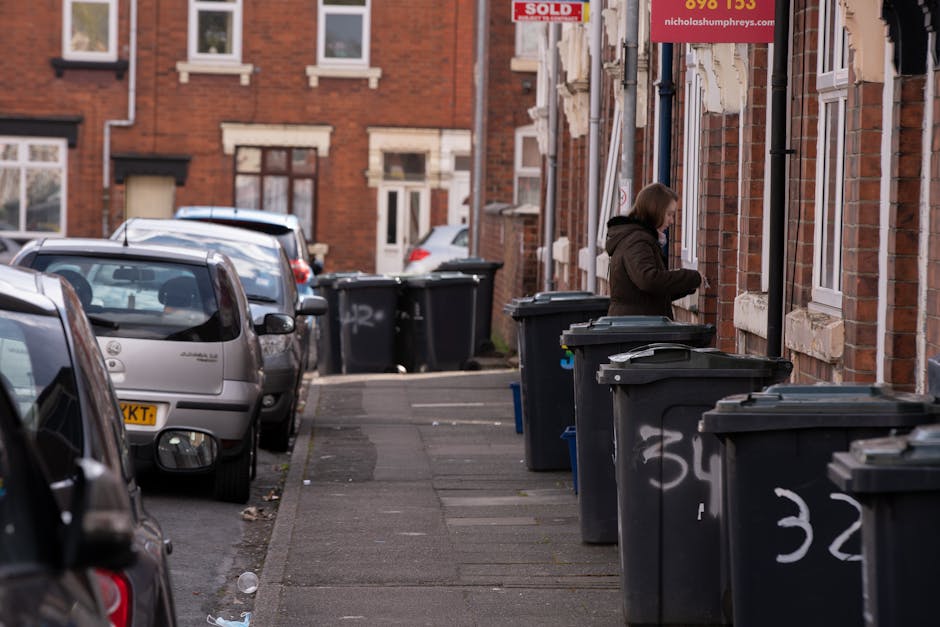
Estate homes work differently from single houses. One property can affect several others, shared walkways, entrances, parking bays, lifts, bin stores, and sometimes even neighbours' patience. So when rubbish starts piling up, the problem is rarely just visual. It can block access, attract pests, create smells, and make the whole place feel neglected. Not exactly the welcome anyone wants.
In Earlham Grove, where homes and access arrangements can vary from street to street, clearance also has a local practicality to it. Narrow paths, limited parking, and shared entrances can all complicate removal. If waste is left near doors or communal areas, residents may find it hard to come and go safely. That matters in the rain, in the dark, and especially when elderly residents, children, or delivery drivers are moving through.
There is also the reputation factor. Estate homes are often part of a wider managed environment, and first impressions count. Whether you are preparing for new tenants, handling a probate property, coordinating with a managing agent, or just getting a neglected space back under control, a clean and orderly finish makes a proper difference. You can feel it when you step into the space. The air is lighter, less cluttered, less tense.
Expert summary: Estate rubbish clearance is not just about taking away unwanted items. It is about restoring access, reducing risk, and making shared living spaces usable again without causing disruption to everyone else.
How Earlham Grove rubbish clearance for estate homes Works
Most estate clearances follow a fairly simple pattern, though the details matter. The team or homeowner identifies what needs removing, decides whether the waste is general rubbish, bulky furniture, garden waste, appliance waste, or something more sensitive, and then chooses the most suitable collection method. In some cases, a full clearance is needed; in others, a partial tidy-up is enough.
For estate homes, the process usually starts with access. Where can vehicles park? Are there stairs? Is there a lift? Are there restrictions on how long loading can take? If the answer is "it depends" a bit too much, then a site visit or clear photos can help avoid surprises. That little bit of planning saves a lot of back-and-forth later.
Once the scope is agreed, the clearance itself may involve loading items by hand, using a man and van service for lighter mixed loads, arranging a larger vehicle for bulkier waste, or choosing a skip-based solution if residents or contractors need a longer fill window. If items are heavy, awkward, or in quantity, services such as grab lorry hire or rubbish removal can be more efficient than multiple small trips.
The final step should be sorting. Good operators do not just tip everything into one load and hope for the best. They separate recyclable materials, reusable items where possible, and waste streams that need special handling. If the property contains anything that may be classed as hazardous or awkward, it should be assessed properly before removal. No shortcuts there. Really, none.
What usually happens on the day
- A quick review of access, parking, and the items to be removed.
- Protective loading of furniture, bags, loose waste, and bulk items.
- Separation of recyclable and non-recyclable material where possible.
- Removal from the estate home, corridor, yard, garden, or outbuilding.
- Final sweep-up so the area is left safe and presentable.
That last sweep-up is underrated. A clean finish does a lot of heavy lifting.
Key Benefits and Practical Advantages
Good estate rubbish clearance offers more than an empty room. It can make a property easier to let, easier to sell, easier to inspect, and easier to live in. Let's face it, clutter creates friction. People trip over it, delay decisions because of it, and often underestimate how much stress it creates until it is gone.
One of the biggest advantages is speed. Estate properties often have deadlines attached: tenancy changeovers, probate arrangements, renovation work, or sale preparation. A well-organised clearance prevents waste from becoming the thing that slows everything else down. And if the space needs to be turned around quickly, the right service can reduce the number of visits required.
There is also the matter of neighbour relations. In shared housing, one messy pile can quickly become everyone's problem. Fast removal means less obstruction in walkways, less smell in warm weather, and fewer complaints. That may sound obvious, but you would be surprised how often it gets ignored until someone has to say something.
Environmental handling is another real benefit. Properly managed waste is more likely to be recycled, reused, or disposed of responsibly. If you are trying to keep the process tidy and sensible, support services such as waste recycling services can help make the end result cleaner both physically and ethically.
Practical advantages at a glance
| Advantage | Why it matters in estate homes | Typical result |
|---|---|---|
| Faster turnaround | Helps with tenancies, sales, and refurb work | Less downtime and fewer delays |
| Safer shared spaces | Clears corridors, entrances, and bin areas | Lower trip and obstruction risk |
| Cleaner presentation | Improves first impressions for residents and visitors | A property that feels cared for |
| Better sorting | Supports recycling and sensible disposal | Less waste going to landfill where avoidable |
| Less stress | Removes the burden from residents or managers | A more manageable, calm process |
Who This Is For and When It Makes Sense
Estate-home clearance is not only for dramatic situations. Sometimes it is needed because a property has been lived in for years and simply accumulated too much. Other times it is about one very specific issue, like a broken sofa, an overfilled storage cupboard, or garden waste stacked where it should not be.
This service makes sense for:
- landlords preparing a unit between tenancies
- managing agents coordinating shared-space tidies
- homeowners dealing with inherited or empty estate properties
- residents clearing bulky items after a move or refurbishment
- builders or decorators who need leftover waste removed quickly
- people handling loft, garage, or cupboard clear-outs in flats and maisonettes
There is often a moment when people realise the problem is not going away on its own. Maybe it is the smell from old bags. Maybe it is a hallway that has turned into a storage zone. Or maybe it is the simple fact that the van cannot get near the front door unless someone clears the access first. That is usually the moment to act.
If the property includes extra storage spaces, a more targeted service such as garage and loft clearance can be a sensible option, especially when the bulk of the clutter lives upstairs, behind a locked door, or in a hard-to-reach corner that has become a small museum of old things.
Step-by-Step Guidance
If you want the clearance to go smoothly, the best approach is methodical rather than heroic. No one needs a chaotic last-minute scramble the morning of collection.
- Walk the property and identify the waste. Separate general rubbish, furniture, appliances, garden debris, and anything potentially hazardous.
- Check access points. Note stairs, lifts, parking restrictions, entry codes, and any narrow corridors or shared entrances.
- Decide whether the load is mixed or specialist. Mixed loads are common, but items like fridges, mattresses, or chemical products may need separate handling.
- Choose the right removal method. For smaller domestic loads, a domestic skip hire option may suit. For quick hand-loaded clearance, a man-and-van approach can be more practical.
- Prepare the items in advance. Bag loose waste, flatten boxes if possible, and keep the route to the exit clear.
- Complete the clearance and final check. Make sure nothing has been missed in cupboards, under beds, or behind doors.
One useful habit is to label what stays and what goes. It sounds obvious, yet in real homes - especially busy estate homes - things get nudged into the wrong pile all the time. A couple of bright notes or tape marks can stop a lot of arguments. Trust me on that one.
If you are comparing waste-handling methods, a bigger project may suit skip hire, while awkward heavy items and fast clearances often work better with wait and load skip hire or a collection-based service. The right answer depends on space, time, and how much lifting you want to avoid.
Expert Tips for Better Results
In our experience, the best estate clearances are the ones where the plan is simple and the route is clear. That does not sound glamorous, but it is true. A few extra minutes of prep can save a whole afternoon of frustration.
1. Photograph the load before booking
Photos help estimate volume, spot access problems, and flag items that need special handling. If there is a lot of mixed waste, a few images from different angles are more useful than a vague description like "quite a bit of stuff".
2. Prioritise safety in shared spaces
Shared stairwells, entrances, and bin stores should never be treated like a private dumping ground. Keep loading routes clear and avoid blocking fire exits. It is a basic point, but worth saying.
3. Separate reusable items where practical
Some furniture, fixtures, or household items may still have use. If you can set them aside before clearance, it may reduce disposal volume and make the process feel less wasteful. Not everything old is junk, after all.
4. Time the job around neighbours
Morning collections may work well if parking is easier, but some estates have quieter windows later in the day. The right time depends on the property. A little courtesy goes a long way in shared housing.
5. Ask about recycling and sorting upfront
If responsible disposal matters to you, ask how materials will be handled. Services that emphasise sorting and recovery can be a better fit for owners and managers who want to reduce landfill use. This is where recycling and sustainability becomes more than a nice phrase.
A small note from the practical side: if the item list includes a mattress, sofa, or fridge, say so early. Those are the things that tend to slow people down if they are discovered at the last minute. And yes, they always seem heavier than they look.
Common Mistakes to Avoid
Most clearance problems are avoidable. Not all, but most. The trouble is that when people are under pressure, they focus on the obvious waste and forget the hidden complications.
- Leaving access checks too late. If the vehicle cannot park nearby or the lift is out of action, the whole job changes.
- Assuming everything can go in one pile. Appliances, hazardous items, and bulky furniture can require different handling.
- Ignoring landlord or managing-agent rules. Some estates have loading windows, parking limits, or quiet-hour expectations.
- Forgetting communal areas. A clearance can look finished while hallways, landings, or entrances remain cluttered.
- Not separating sentimental items early. Probate and home clearances often go wrong when items of value or meaning are mistaken for rubbish.
- Choosing the cheapest option without checking the service scope. The lowest quote is not always the best if it creates delays or extra charges later.
One very common issue is overfilling a skip or underestimating weight. That can create all sorts of awkwardness, especially with mixed estate waste. If you are not sure what can go in a skip, it is worth checking a dedicated guide like what can go in a skip before anything is loaded.
Tools, Resources and Recommendations
You do not need a truckload of equipment to organise a clear-out, but a few simple tools make life easier. A property with a bit of structure usually clears faster, and honestly, it feels less overwhelming too.
- Heavy-duty bags: useful for loose rubbish, soft waste, and broken small items.
- Labels or tape: mark keep, donate, recycle, and remove piles clearly.
- Gloves and sturdy footwear: especially important where broken glass, nails, or damp waste are present.
- Wheelbarrow or sack truck: handy for bulky loads where stairs or distance are involved.
- Boxes or crates: helpful for sorting belongings before a full property clearance.
- Phone camera: ideal for recording the space before and after, and for quoting purposes.
For more specialised loads, different services can help. For example, fridge and appliance removal is useful where white goods need proper handling, while mattress and sofa disposal is practical for bulky soft furnishings that take up more room than anyone would like.
If you are handling a broader property tidy rather than just one room, a wider service like house clearance may be the more efficient route. For cluttered outbuildings or enclosed storage, it is often better to clear those spaces separately and then deal with the main living areas. That way the job feels manageable instead of endless.
Law, Compliance, Standards, or Best Practice
Waste removal in the UK should be handled responsibly, and that matters even in a private estate-home setting. You do not need to become a compliance expert overnight, but you should know the basics. Waste should be passed to a legitimate carrier, and items should not be dumped informally because it is quicker or cheaper on paper. Cheaper can become expensive, and messy, very fast.
For estate homes, there may also be building or estate rules to follow. These can cover loading times, parking, access routes, and behaviour in shared spaces. If a managing agent or landlord is involved, check any local requirements before removal begins. It saves awkwardness later, especially where neighbours are sharing entrances or bin stores.
Health and safety should be part of the plan too. Heavy lifting, sharp edges, dust, mould, and broken items all raise the risk level a bit. Services that take safety seriously will usually have their own controls in place, and it is reasonable to ask about them. Useful supporting information is often set out in pages like health and safety policy and insurance and safety, which help you understand how a provider approaches risk and responsibility.
If a property contains items that are potentially hazardous, such as chemicals, certain electrical waste, or contaminated materials, these should be identified early and handled through the appropriate route. Do not guess. If something seems off, assume it needs checking. That is the sensible route every time.
Options, Methods, or Comparison Table
Different estate-home clearances call for different methods. The best choice depends on volume, access, urgency, and whether you need hands-on loading or simply a place to put the waste. Below is a practical comparison to help you think it through.
| Method | Best for | Strengths | Limitations |
|---|---|---|---|
| Skip hire | Ongoing clearance, larger volumes, renovation waste | Good capacity, simple loading, useful for phased jobs | Needs space and may require permits |
| Wait and load | Shared estates, tight access, fast turnaround | No long-term skip on site, often efficient for limited parking | Requires items to be ready when the team arrives |
| Rubbish removal | Mixed household waste, bulky items, one-off clear-outs | Flexible and labour-saving | May be less suitable for very large ongoing projects |
| Grab lorry hire | Large, loose, heavy waste | Fast for substantial piles, especially outside or accessible areas | Less ideal for indoor-only clutter or difficult access |
| Man and van | Smaller loads and targeted clearances | Useful for stair access and lighter jobs | May require multiple trips for larger volumes |
If you are unsure which route fits best, think about the property rather than the category. A small estate flat with tight parking can be very different from a ground-floor maisonette with direct access. The building decides a lot, frankly.
For example, someone clearing a few bulky items from a lower-floor estate home may prefer same-day skip hire if the timing is urgent, while a longer refurbishment might lean toward builders waste removal or construction waste disposal if the waste is mixed with trade debris.
Case Study or Real-World Example
Imagine a small estate home in Earlham Grove after a long tenancy. The property has furniture left behind, a few broken appliances, bags of general rubbish, and some garden waste near the back access. The hallway is narrow, the parking is awkward, and the stairwell needs to stay clear because other residents pass through it all day.
In a case like this, the first step is not loading. It is sorting. The appliances are separated from the soft furnishings, the bags are gathered, and anything questionable is checked before removal starts. A sofa and mattress might be set aside for specific disposal, while the mixed bags and smaller clutter are handled through a broader clearance approach. The garden waste is kept separate to avoid contaminating recyclable material.
The job goes better because the route is planned first. One person keeps an eye on shared access while the load is moved out in stages. The team avoids blocking the entrance, and the final sweep leaves the property looking ready for cleaning or redecoration. Nothing fancy. Just a calm, sensible process done in the right order.
That kind of clear-out is often where a service like site clearance or a targeted property-clearance approach becomes valuable, especially when the goal is to restore use quickly and avoid dragging the job out over several days.
Practical Checklist
Use this before booking or starting your estate-home clearance. It keeps things organised, and yes, it does stop the "oh, we forgot that" moment that always arrives at the worst time.
- Identify exactly what needs removing.
- Check for reusable, recyclable, and hazardous items.
- Measure or photograph access points and parking space.
- Confirm whether the property has stairs, lifts, or narrow landings.
- Decide whether the job is a full clearance or a partial one.
- Set aside documents, valuables, and sentimental items first.
- Label items to keep, donate, recycle, or remove.
- Check any estate, landlord, or managing-agent rules.
- Choose the right removal method for the volume and access.
- Arrange a final sweep so the space is left tidy.
Quick takeaway: if you prepare the access, sort the waste properly, and choose the right removal method, Earlham Grove rubbish clearance for estate homes becomes much simpler than it first looks.
If you are ready to move from planning to action, it is usually worth comparing service options and booking early, especially where access is limited or the property needs turning around fast. A little lead time makes the whole process less of a scramble. And less scramble is always better.
Get a free quote today and see how much you can save.
Conclusion
Earlham Grove rubbish clearance for estate homes is really about restoring order without creating new problems. The best results come from clear planning, sensible sorting, and a removal method that fits the property rather than forcing the property to fit the method. If you keep access, safety, and disposal type in mind, the process stays manageable.
Whether you are clearing a compact flat, a shared estate home, or a more cluttered property with mixed waste, the key is to stay practical. Handle the obvious things first, respect the shared space, and do not leave the awkward bits until the end. That is where jobs unravel.
And once the clutter is gone, the difference is immediate. The room breathes again. The hallway feels wider. The place starts to feel like home, or at least like something you can work with. That matters more than people think.
Frequently Asked Questions
What does Earlham Grove rubbish clearance for estate homes usually include?
It usually includes the removal of general household waste, bulky items, furniture, appliances, and sometimes garden or loft clutter from estate properties. The exact scope depends on the property and the service booked.
Is this the same as a full house clearance?
Not always. A rubbish clearance may focus on specific unwanted items or a partial clean-out, while a full house clearance is broader and can include most or all contents. The right choice depends on how much needs removing.
What should I do before the clearance team arrives?
Keep valuables, documents, and sentimental items separate, clear a path to the exit, and make sure you know what is staying and what is going. A little sorting up front saves a lot of time later.
Can bulky items like sofas and mattresses be removed?
Yes, usually. Bulky items are common in estate clearances, but they may need specific handling or a dedicated disposal route. It is best to mention them when booking.
Do I need a skip or is rubbish removal better?
It depends on the space, volume, and timing. A skip is often useful for longer jobs or ongoing work, while rubbish removal can be better for fast, hands-on clearances in tight-access areas.
What if the estate has limited parking or narrow access?
That is very common in shared housing. In those cases, a wait-and-load approach, man-and-van service, or carefully scheduled collection may work better than leaving a skip on site.
Are there any items that need special care?
Yes. Fridges, appliances, chemicals, and other potentially hazardous items may need special handling. If something looks unusual or risky, flag it early rather than guessing.
How long does an estate-home clearance take?
It depends on the amount of waste, the access, and how much sorting is needed. A small clearance can be fairly quick, while larger or more cluttered properties take longer. The preparation makes a big difference.
Will the property be left tidy afterwards?
That should be part of the service. A good clearance includes a final sweep or tidy-up so the space is safe and ready for the next step, whether that is cleaning, decorating, or handover.
Can waste be recycled rather than dumped?
Often, yes. A well-run clearance service should sort recyclable materials where possible and route waste responsibly. If recycling matters to you, ask how the load will be handled before booking.
Is it worth using a clearance service for a small amount of waste?
Often it is, especially if the items are heavy, awkward, or difficult to transport from an estate property. Even a small job can become a nuisance if access is poor or the items are bulky.
What is the biggest mistake people make with estate clearances?
Probably underestimating access and volume. People often focus on the rubbish itself and forget the practical side: parking, stairs, communal routes, and sorting. Once those are ignored, the job gets messy fast.