Skip Hire in Forest Gate

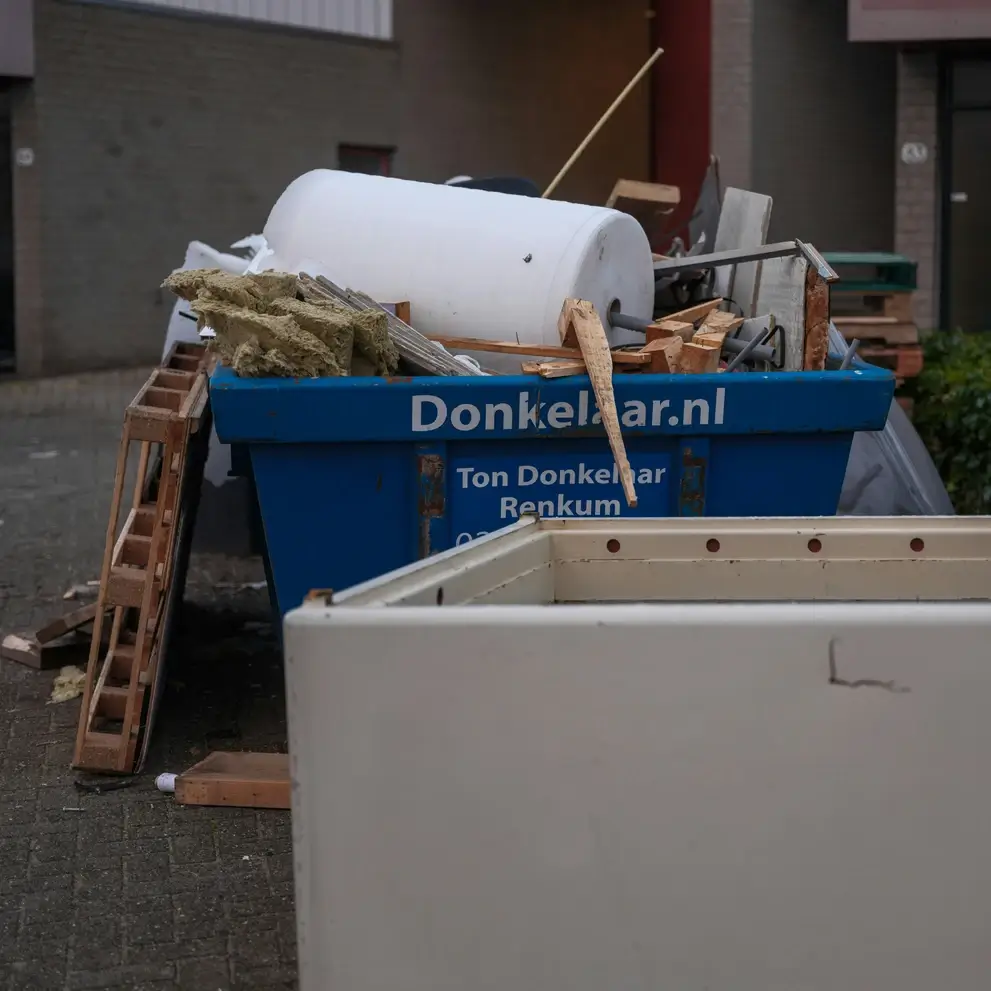
Skip hire in Forest Gate gives households, landlords, builders and local businesses a straightforward way to manage mixed waste when clear space and organised disposal matter. Our service covers a range of practical skip options for everyday clear-outs, refurbishment debris and site waste, with sizes and arrangements chosen to suit the job rather than forcing a one-size approach. If you need a simple arrangement for a property tidy-up or a structured solution for heavier work, we help keep the process clear from the outset.
We work with customers who need rubbish taken away in a planned and lawful way, whether that means a short-term hire for a domestic project or a more regular arrangement for commercial waste. Where access is tighter, timings are limited or a permit may be needed, the details matter. Choosing the right service early helps avoid delays, wasted capacity and unnecessary handling, so the quotation stage should reflect the waste type, the amount involved and how the site can be served.
There are several sensible ways to approach a skip hire booking. A smaller skip may suit a bathroom strip-out or garden tidy, while larger loads often need a different format or a bigger container. If you want to compare options before you commit, use the service pages below to look at the main hire types, waste categories and practical support available. You can also request a quotation once you have a clearer picture of the work.
Domestic skip hire for home projects
Domestic skip hire is useful for spring cleans, loft clearances, moving house preparation and renovation waste that will not fit into normal household collections. It gives you one controlled place for waste that builds up over several days rather than making repeated trips to a disposal point. For many homeowners, the main benefit is keeping a project moving without clutter taking over rooms, driveways or shared access areas.
The right domestic arrangement depends on the sort of material being removed. Light mixed waste from packaging, broken fixtures and general household items is very different from heavy rubble, soil or bulky furniture. A good quotation will take account of these distinctions, because weight and composition affect the most suitable skip choice. If your load is unusually heavy or mixed with restricted materials, it is better to flag that early than to assume everything can go together.
For a clear overview of the service options, see our domestic skip hire page, which is a useful starting point when you are comparing residential waste removal methods. It can also help to review the accepted materials before booking, so that you can separate out anything that needs special handling. When you are ready, ask for a quotation with the type of waste, access details and your preferred timetable.
Builders skip hire and renovation waste
Builders skip hire is designed for the kind of debris that comes from construction, refurbishment and structural work. That may include timber, plasterboard, packaging, brick fragments, tiles and other non-hazardous materials produced as work progresses. On active sites, the value lies in keeping waste in one managed place so operatives can continue without constant interruptions to clear-up tasks.
Not every building project creates the same waste profile, so it makes sense to choose the service based on the actual work rather than the broad label of “building rubbishâ€. A kitchen refit may involve cabinets, worktops and packaging; a knock-through could create heavier rubble; a landscaping project may involve soil and hardcore. These differences shape the quotation and may also affect what can be loaded together. Clear separation of waste streams is often the simplest way to keep disposal efficient.
If your job is focused on refurbishment or trade work, the builders skip hire page gives a useful service overview, while construction waste disposal is a helpful related option when you are deciding how the waste should be handled. For larger or more active projects, you may also want to compare site clearance if the waste extends beyond a single container and needs a broader removal plan.
Waste types, sizes and what can go in a skip
One of the most important parts of arranging skip hire is matching the container to the waste itself. Size matters, but so does density. Light bulky items may fill a container quickly without making it especially heavy, while rubble or soil can reach weight limits long before the skip looks full. That is why practical advice starts with what is being thrown away, not just how much room it appears to take up.
To help with planning, it is worth checking the accepted and restricted materials in advance. Some items are straightforward, some need separate disposal, and a few are not suitable for a standard skip at all. Understanding this before you book keeps the quotation accurate and avoids delays once the hire is underway. If you are unsure about a particular item, it is better to check than to mix it in by assumption.
For a detailed guide to acceptable loads, visit what can go in a skip. That page is especially useful if your waste includes a mixture of materials from a clear-out or refurbishing project. For pricing context, you can also compare the information on skip sizes and prices so that the size you choose reflects the waste you actually have rather than an estimate that feels convenient but unrealistic.
Commercial waste, offices and working premises

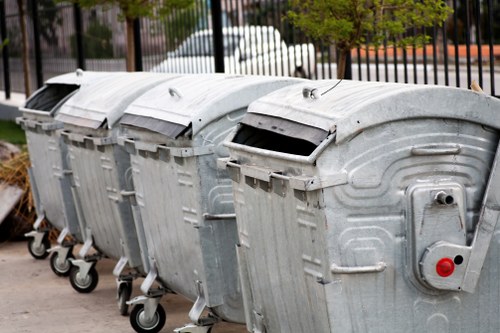
Commercial skip hire supports shops, offices, hospitality premises and other workplaces that produce recurring waste during refurbishments, routine clear-outs or operational changes. In a business setting, the need is often less about a single large clear-up and more about keeping waste movement organised so normal work can continue. Having a defined disposal route helps keep back areas, storage rooms and service yards under control.
Office clearance and commercial waste also tend to involve a wider mix of items than a domestic tidy-up. Desks, shelving, packaging, archive material and outdated fittings may all need separate thought. Planning what goes where makes it easier to choose between a skip, a clearance service or a more targeted removal. It also helps when you are seeking a quote, because the best estimate will reflect access, loading effort and the type of waste involved.
Two useful pages for business customers are commercial skip hire and office clearance, depending on whether you are handling ongoing waste or a specific site clear-out. If the job includes old furnishings, appliances or confidential material, the related service pages below may also be relevant. Keep the choice focused on the actual task, and the quotation will be easier to match to your needs.
Garden, garage and household clearances
Some jobs do not fit neatly into a single trade category. Garden waste, garage contents and general household clutter can build up gradually and then need a decisive removal plan. In those situations, skip hire can be a practical way to deal with mixed loads that include branches, old bags, broken storage items and unwanted furniture, provided the contents are suitable for standard disposal. The aim is to reduce the amount of sorting you have to do later.
Where a property clear-out has a mix of bulky household items and lighter rubbish, it can help to think about whether the waste is best loaded over time or removed in one organised push. That decision often comes down to access and volume. A garage that has been used for storage for years may produce a different pattern of waste from a one-off garden tidy. The more clearly you describe the contents, the more reliably a quotation can be prepared.
For related services, see garden waste removal, garage and loft clearance and house clearance. These pages are useful if your project is broader than a simple skip and may involve more direct removal support. When in doubt, list the main items first and then ask for guidance rather than guessing which option will fit.
Specialist waste streams and separate handling
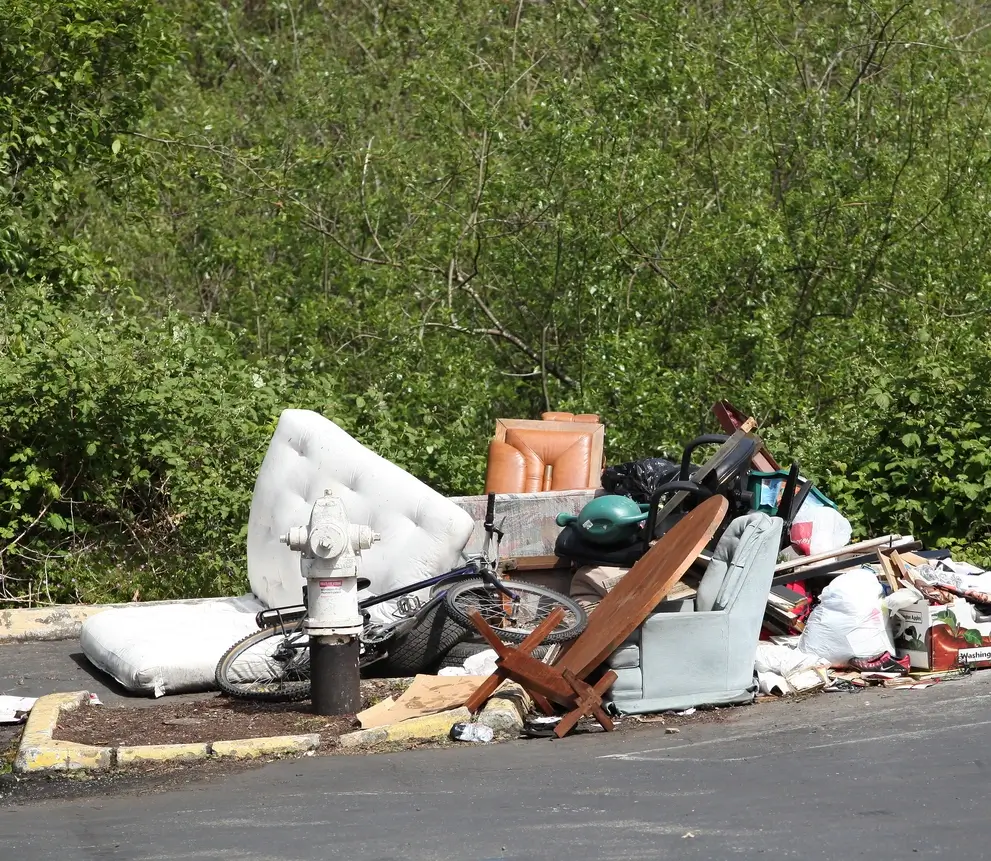
Some waste requires extra care because it cannot be treated like ordinary mixed rubbish. Examples include hazardous materials, bulky appliances, mattresses, furniture items and certain confidential or protected materials. In those cases, the service choice should reflect the disposal rules, not just the convenience of getting things out of the way. Using the right route protects the rest of the load and makes the final removal more straightforward.
Specialist disposal is usually about method and compliance as much as volume. A single appliance may need separate collection, while a full clear-out could involve several different handling requirements within the same property. If you are preparing a quotation request, separating these items in your description is the best way to avoid confusion. It helps the team decide whether a skip, a dedicated removal service or an alternative arrangement is most appropriate.
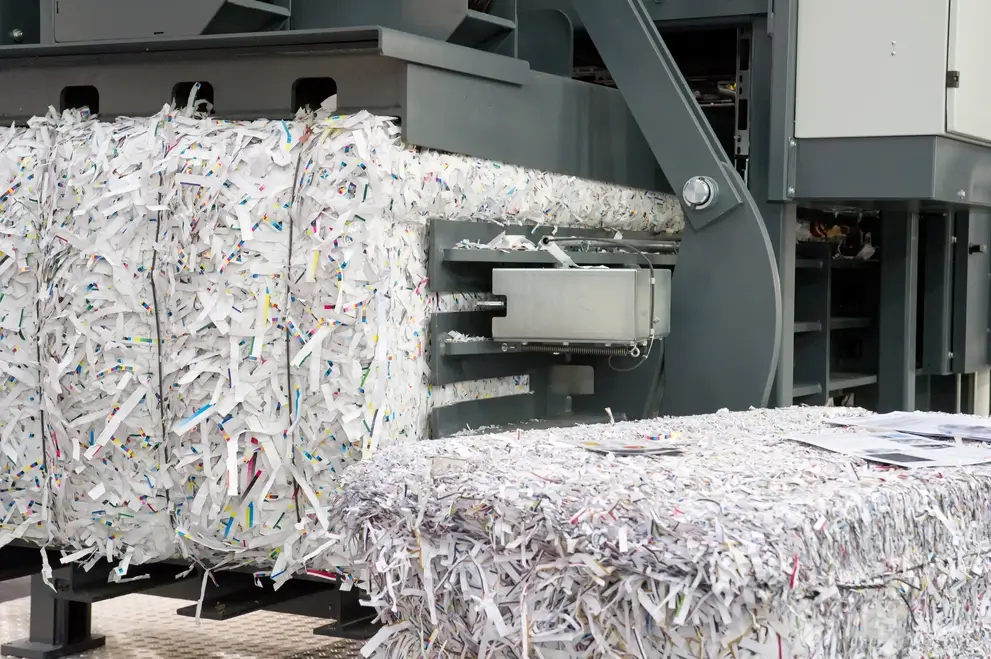
Useful related pages include hazardous waste disposal, fridge and appliance removal, mattress and sofa disposal and confidential shredding. Not every job needs a skip, so these services are worth checking if your waste includes items that need a different route. If you are unsure, describe the materials plainly and ask for the most suitable option.
About Forest Gate
Forest Gate is a district in the London Borough of Newham, in east London, positioned between Stratford and Manor Park. The area takes its name from a historic former gate on the boundary of Epping Forest, a reminder of how older routes and landscape edges shaped settlement patterns across north-east Essex and later metropolitan London. Its identity is closely tied to the growth of rail and suburban housing, especially after the arrival of the Great Eastern Railway in the nineteenth century, which helped turn formerly rural edges into densely built streets. Much of Forest Gate’s character comes from its terraces, interwar housing and local shopping parades rather than from a single centre, so it feels layered and residential in a way that rewards walking. Wanstead Flats, part of Epping Forest, forms a major open space to the north, giving the district a broad green edge and a visual break from surrounding development. The area also sits within easy reach of the Queen Elizabeth Olympic Park corridor to the west, while the older street pattern still reflects East End expansion and the later growth of Newham as a borough. Forest Gate station on the Elizabeth line has strengthened connections with the wider city, but the neighbourhood retains its own everyday rhythm, with community facilities, schools, churches and local businesses spread through the streets. As with many London districts, its built fabric tells several stories at once: Victorian suburban ambition, twentieth-century infill, and recent regeneration alongside long-standing homes and shops.
Same day and flexible arrangements
Some customers want a quick turnaround, while others need a booking that fits around contractors, tenants, deliveries or building access. Flexible skip hire arrangements are useful when the waste is ready but the timing is still being coordinated. Rather than assuming every job needs the same schedule, it is better to think about when the waste will actually be produced and how long access will be clear enough for collection or loading.
If your project is likely to generate waste in phases, you may need a different arrangement from a one-off clear-out. That might affect the duration of the hire, the positioning of the container or whether another service is more practical. A good quotation should reflect those choices, not just the headline size. For example, a carefully managed loading plan may be more helpful than a larger container that is awkward to place or unnecessary for the amount of rubbish involved.
For a quicker overview of time-sensitive options, see same day skip hire and wait and load skip hire. These pages are useful when access is limited or when you want waste removed without leaving a container on site. If you are comparing collection methods, grab hire services can also be worth reviewing for certain clearances. Choose the arrangement that fits the site, not just the waste list.
Permits, access and practical planning
Access can shape a skip hire booking as much as the waste itself. If a container cannot be placed on private land, a permit may be needed for a public highway location, and that changes the planning slightly. Narrow roads, parking pressure, controlled access and loading restrictions can all influence what is sensible to arrange. The earlier these details are considered, the smoother the process is likely to be.
It is also worth thinking about how the waste will be carried to the container. Even the right size skip can be inconvenient if materials have to be moved a long distance or lifted over awkward obstacles. Practical planning helps reduce wasted effort and makes the quotation more accurate. When customers provide the basic facts clearly, it becomes easier to recommend the most appropriate service and avoid any mismatch between expectation and site reality.
To see the available guidance, visit skip permits and insurance and safety. If you want to understand the company’s approach to secure transactions and administration, payment and security is also a useful reference. When you are ready to move forward, pricing and quotes is the best place to request a quotation for your load.
Recycling, sustainability and the final quotation

Responsible disposal is part of any well-run skip hire service. Mixed waste often contains recoverable materials, and sorting those streams properly can support recycling where the load allows it. The way waste is presented, separated and described affects how easy it is to process after collection, which is another reason accuracy matters when you ask for a quote. The more clearly the waste is defined, the easier it is to direct it along the right route.
If your project is likely to produce reusable or recyclable material, it may be worth considering the broader waste picture before choosing the service. Some jobs are best handled with a standard skip; others benefit from a more targeted clearance or recycling approach. The right choice depends on the type of waste, the quantity and any items that require different treatment. That is why a short, factual description usually works better than a vague request for a large container.
For related guidance, see waste recycling services and recycling and sustainability. If you already know what you need, send through the details and request a quotation in plain terms. Tell us the waste, the access and the timetable, and we can help you shape the most suitable skip hire arrangement for Forest Gate.